Home / Destinations / Adventure and ... /
Architecture
Last updated on 14 Jun 2023
The architectural heritage of Sri Lanka is a testament to the island's rich history and cultural influences. From ancient kingdoms to colonial periods, Sri Lanka's architecture showcases a diverse range of styles and techniques. The country is known for its impressive temples, ancient palaces, colonial buildings, and traditional vernacular architecture, all of which contribute to its unique architectural tapestry.

Sri Lanka's ancient architecture reflects the achievements of its early civilizations. The Sigiriya Rock Fortress, an iconic UNESCO World Heritage Site, stands as a remarkable example. Built in the 5th century, it features intricate frescoes, water gardens, and advanced engineering marvels, all nestled atop a towering rock formation. Another notable site is the sacred city of Anuradhapura, which flourished as a capital and religious center from the 4th century BCE to the 11th century CE. It is home to grand stupas, palaces, and monastic complexes, showcasing the architectural prowess of ancient Sri Lankans.
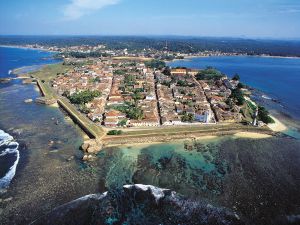
The colonial period left a significant impact on Sri Lanka's architecture, with Portuguese, Dutch, and British influences evident in many cities. Galle Fort, a UNESCO World Heritage Site, stands as a prime example of colonial architecture. Built by the Portuguese in the 16th century and fortified by the Dutch, it features a blend of European and Asian architectural elements. The fortifications, churches, and mansions within Galle Fort exhibit a fusion of Dutch, Portuguese, and British colonial styles. Apart from the ancient and colonial architecture, Sri Lanka also boasts traditional vernacular architecture that reflects the country's local culture and environment. Traditional houses, known as "walauwa" or "wattle and daub" structures, are characterized by their open courtyards, verandas, and thatched roofs. These houses are designed to withstand the tropical climate and are often adorned with intricate wood carvings and decorative elements. Sri Lanka's architecture is a captivating blend of ancient, colonial, and vernacular styles, each with its own unique charm. It stands as a testament to the island's rich heritage and the diverse influences that have shaped its architectural landscape over the centuries. Exploring Sri Lanka's architectural wonders provides not only a visual delight but also a deeper understanding of the country's history, culture, and craftsmanship.
Explore Architecture