Home / Destinations / Religious / Buddhism /
Abayagiriya
Last updated on 09 Jan 2024Show location
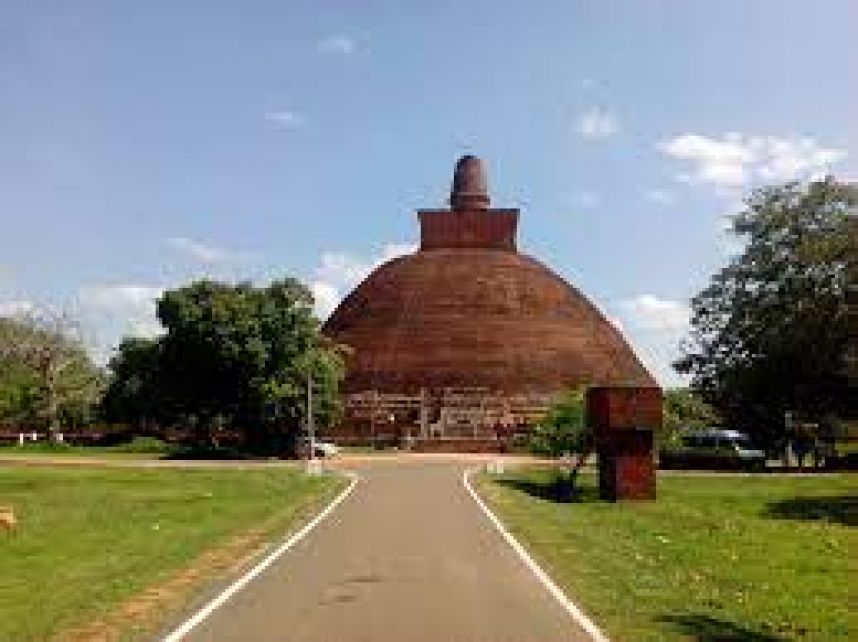
The Abayagiriya Stupa, situated in the ancient city of Anuradhapura in Sri Lanka, is a remarkable testament to the country's rich cultural and religious heritage. With its grandeur and historical significance, the stupa stands as a symbol of the profound influence of Buddhism in Sri Lanka. This magnificent structure, dating back to the 1st century BCE, holds immense historical and spiritual value, captivating visitors with its architectural splendor and evocative atmosphere.
The Abayagiriya Stupa, also known as the Abhayagiri Dagoba, was constructed during the reign of King Valagamba and served as the centerpiece of the Abhayagiri Monastery, one of the largest monastic complexes of its time. This monastic institution played a pivotal role in religious and scholarly activities, attracting scholars, monks, and devotees from far and wide. The stupa served as a focal point for religious rituals, offering a space for meditation, worship, and intellectual discourse. The architectural magnificence of the Abayagiriya Stupa is a sight to behold. Rising majestically, it features a large hemispherical dome that symbolizes the enlightened mind of the Buddha. The dome, built with meticulous precision using bricks and covered in a layer of plaster, gives the stupa a smooth and polished appearance. The stupa's impressive height, although debated, is estimated to have reached around 100 meters in its original form, making it one of the tallest structures in the ancient world. Even today, with a reduced height of approximately 75 meters, the stupa commands attention and awe, leaving visitors in awe of its colossal presence. The exterior of the Abayagiriya Stupa is adorned with intricate decorative elements that showcase the exceptional craftsmanship of ancient Sri Lankan artisans. Elaborate stone carvings depicting Buddhist motifs, stories, and figures adorn the walls, mesmerizing onlookers with their exquisite detail. The carvings not only serve as ornamental embellishments but also narrate the rich Buddhist history and teachings. The entrance gates to the stupa complex are also adorned with impressive sculptures and carvings, further enhancing its architectural grandeur.




One of the most significant aspects of the Abayagiriya Stupa is its association with sacred relics. Like many stupas, it is believed to enshrine relics associated with Lord Buddha. These relics, believed to be physical remains or objects associated with the Buddha's life, hold immense spiritual significance for Buddhists. Devout followers make pilgrimages to the stupa to pay their respects, offer prayers, and seek blessings. The presence of these revered relics adds a profound spiritual aura to the stupa, making it a revered destination for devotees and an important pilgrimage site in Sri Lanka. The Abayagiriya Stupa is not just a solitary structure but part of a vast monastic complex that sprawls across the surrounding area. The Abhayagiri Monastery, during its prime, encompassed numerous structures such as monastic residences, meditation halls, libraries, and other buildings dedicated to Buddhist education and practice. The complex served as a vibrant center of learning, attracting scholars and students from various parts of the world. It bustled with activity, fostering intellectual and spiritual growth, and contributing to the dissemination of Buddhist teachings. Over the centuries, the Abayagiriya Stupa has witnessed periods of decline and subsequent restoration. Efforts have been made to preserve its historical and cultural importance, ensuring that it stands as a testament to Sri Lanka's ancient past. The Sri Lankan Department of Archaeology carefully manages and maintains the site, safeguarding its structural integrity and ensuring its accessibility to visitors. These ongoing preservation efforts aim to safeguard this remarkable monument for future generations, allowing them to