Home / Destinations / Religious / Hinduism /
Sri ThiruKoneshwarm Kovil
Last updated on 23 Jun 2023Show location
The temple of Koneswaram was well known to the Portuguese. The famous author and Portuguese Catholic priest of the period, Fernão de Quieroz, described the temple as ‘the Rome of the Pagans of the Orient’.
Despite the Portuguese respecting the famed temple, all it took was a single piece of stone to disturb the seemingly still waters. In this case the stone was the Dutch. The Kingdom of Jaffna had been paying a protection fee to the Portuguese to prevent them from destroying the historical temple. When the Portuguese-Dutch war began early in the 17th century, the Portuguese wished to strengthen their position in Asia by building a fort in Trincomalee; which had one of the best and most centralized natural harbours in Asia at the time. However, the king of Jaffna at the time, King Ethirimana Cingam, refused to assist in building the fort. The incensed Portuguese made war on Jaffna. They conquered it after several years of difficult battle during the reign of the last king of Jaffna, Cankili. The reign of terror then began as the Portuguese took their revenge by destroying over five hundred Hindu temples and shrines, the Saraswathie Mahal Library and various other relics and structures in the area.
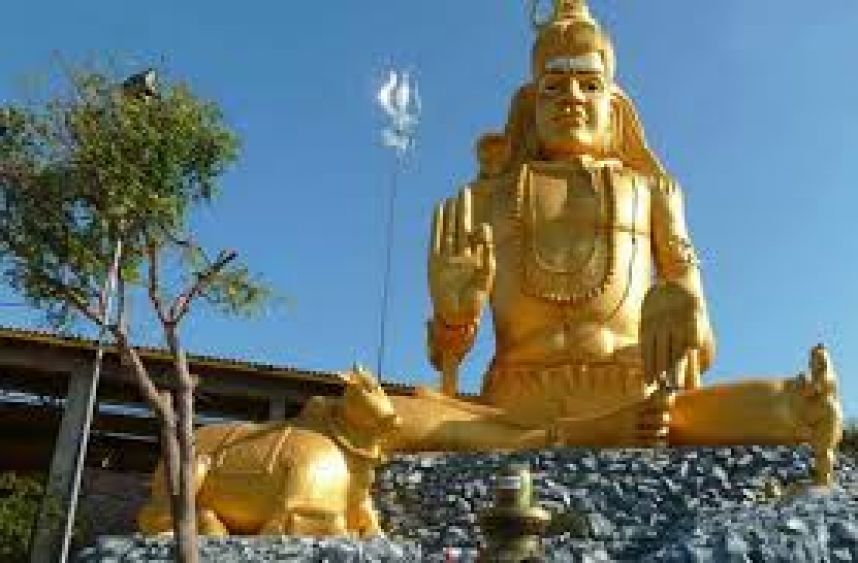

Koneswaram was destroyed on the 14th of April 1622, during the Tamil New Year Day festival massacring many devotees who had been attending the religious ceremonies. Soldiers camouflaged as priests entered the temple and ransacked it of over two millennia worth of treasures in the form of golden statuettes, other gold items, gems and expensive silks. As one of the richest temples at the time, the loot was counted to be one of the biggest in the history of Asia. Meanwhile, the panicked priests (the real ones) took as many of the remaining idols and statues, which has been part of a procession, and buried them into the ground around the temple grounds to avoid their destruction. Then some fled the massacre while some took the path of suicide, unable to escape. The temple was destroyed and most of it was pushed into the sea. The remaining stones were used to build Fort Frederick two years later resulting in a complete destruction of an unrecoverable relic. The bare promontory was later called Swami’s Rock and during the Dutch era no ceremonies were allowed on the rock. However, during the British rule, the ban was lifted, and pilgrims once again trod the land as they did for many millennia. By the mid-19th century, the site was once again famous as worshippers gave their offerings and prayers to the ruins of the temple in the sea below.