Home / Destinations / Religious / Catholic /
Dutch Reformed Church
Last updated on 23 Jun 2023Show location
The Dutch Reformed Church, also known as the Wolvendaal Church, is an iconic historical landmark located in Colombo, Sri Lanka. Built during the Dutch colonial period in the 18th century, it stands as a testament to the country's colonial past and architectural heritage. The Dutch Reformed Church is not only a place of worship for the Christian community but also a significant cultural and historical site that attracts visitors from all over the world.
The history of the Dutch Reformed Church dates back to the Dutch colonial period in Sri Lanka, which lasted from the early 17th century until the late 18th century. The Dutch East India Company, known as the VOC, established a trading post in Colombo and brought Calvinist Protestantism to the island. The construction of the Wolvendaal Church began in 1749 and was completed in 1757. The architectural style of the Dutch Reformed Church reflects the Dutch colonial influence. The church features a cruciform plan with a high gabled roof and a prominent bell tower. The exterior is characterized by white-washed walls, large windows, and decorative elements such as pilasters and pediments. Inside the church, visitors can admire the wooden pulpit, the ornate organ, and the beautiful stained glass windows.
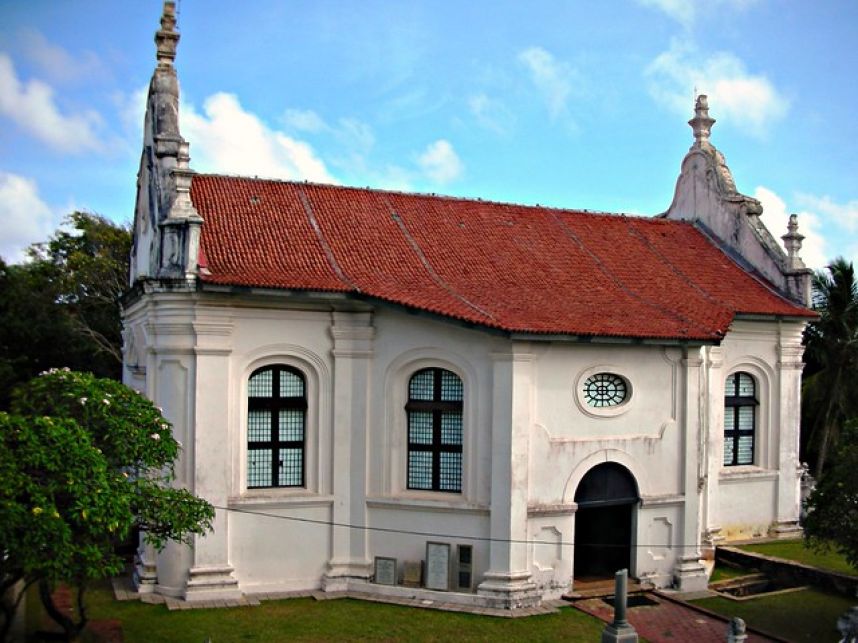

The Dutch Reformed Church holds immense historical and cultural significance. It serves as a reminder of the Dutch colonial presence in Sri Lanka and the influence they had on the island's religious and architectural landscape. The church was originally built to cater to the Dutch Burgher community, who were descendants of the Dutch settlers. However, over time, it has become a place of worship for a diverse range of Christian denominations. The church is not only a place of religious significance but also a repository of historical artifacts and records. It houses a small museum that showcases various items related to the Dutch colonial period, including old Bibles, baptismal registers, and colonial-era furniture. These artifacts provide insights into the religious and social history of the time, making the Dutch Reformed Church an important cultural and historical site. The churchyard surrounding the Dutch Reformed Church is a tranquil oasis in the heart of Colombo. It is the final resting place for many Dutch Burghers and other prominent figures from the colonial era. The tombstones and grave markers bear witness to the multicultural nature of Sri Lanka's colonial history, with inscriptions in Dutch, English, and other languages. Exploring the churchyard offers visitors a chance to delve into the past and pay tribute to those who played a significant role in shaping the island's history. Today, the Dutch Reformed Church continues to be an active place of worship. Regular Sunday services are held, and the church also hosts special religious ceremonies and events throughout the year. The church's serene atmosphere and historical ambiance make it a popular venue for weddings, cultural performances, and photography enthusiasts. In conclusion, the Dutch Reformed Church, with its Dutch colonial architecture and historical significance, stands as a living testament to Sri Lanka's colonial past. It serves as a place of worship, a cultural landmark, and a repository of historical artifacts. The church's enduring presence in the heart of Colombo is a reminder of the country's multicultural heritage and its connections to the wider world. A visit to the Dutch Reformed Church provides a glimpse into Sri Lanka's colonial history and offers an opportunity to appreciate its architectural beauty and cultural legacy.