Home / Destinations / Urban / Street food /
Old Colombo Dutch Hospital
Last updated on 11 Apr 2023Show location
The structure was initially intended to serve as a hospital for Dutch East India Company soldiers and employees. Dutch mariners could be treated at the hospital because of its near proximity to the harbor. Drawings from the time period depict a canal that originally ran along what is now Canal Row Lane, near to the hospital. Following their control of the city, British colonists filled in this waterway.
The Holland Hospital had what might be considered "top-end" facilities at the time. Since adequate beds were not yet accessible in Ceylon, none were offered there. The majority of patients were instead given reed mats, while the most seriously ill or wealthy individuals received straw mattresses, which were considered luxurious at the time. The attire used by the patients came from Thoothukudi state in India is also called as Tuticorin by the Dutch at the time. Alleman was the surgeon who had been at the hospital for the longest, and it is known that he put up a lot of effort to make improvements, such as increasing supplies. Nonetheless, Paul Hermann, who worked there from 1672 to 1679, is unquestionably the most well-known surgeon to have worked at the Colombo Dutch Hospital. Herman has been referred to as Sri Lanka's founding father of botany. He helped the medical field in Sri Lanka advance. Nevertheless, the hospital fell out of favor and stopped being utilized after the Brits replaced the Dutch.
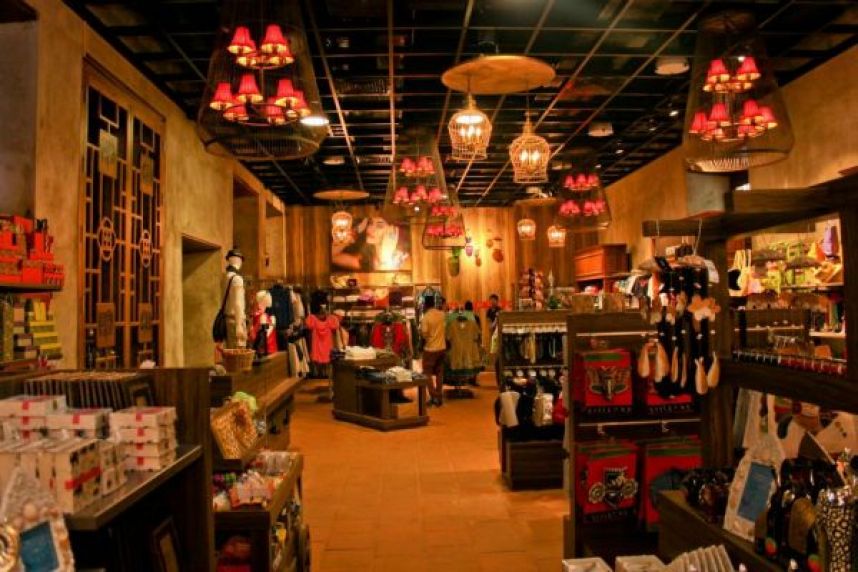

The then-empty hospital facility served many uses after Sri Lanka gained independence. Prior to that, it housed the Colombo Apothecaries, and from the early 1980s to the 1990s, it served as the Colombo Fort Police Station. It was abandoned after sustaining minor damage during the late 20th-century Civil War. The grounds of the Old Dutch Hospital received renovation in 2011. The entire building was restored to its former splendor and turned into an arcade with shops and restaurants. The Dutch Hospital includes two main courtyards and five wings. The entire structure was constructed to give a nice inside environment, and the wide eaves were planned to be cool and shady. The walls are half a meter thick, and the rafters are composed of substantial teak beams, like many Sri Lankan Dutch structures of the time. A woody staircase in the front wing leads to the upper floor, which has a wooden floor. Each of the building's wings also has a lengthy, open veranda that runs the length of it. The Royal Netherlands Institute of Southeast Asian and Caribbean Studies in the Netherlands has paintings of the front and back views of the Colombo Dutch Hospital that were created in 1771 by a Dutch artist. They reveal that while the building's face hasn't changed much, the original vegetation has vanished entirely. The eateries and shops inside the Old Dutch Hospital are frequently more upscale and pricier. The Ministry of the Crab, with its delectable crab cuisine, Barefoot Gallery Cafe, with its vibrant handloom fabric clothing, stuffed toys, and other items, Spa Ceylon, with its fragrant herbal bath and body therapy items, and the Heladiv Tea Club, with its delectable teas, cakes, and sandwiches are just a few of the places worth visiting there. Some good stores that come up unexpectedly in vacant places include a number of others that are worthwhile seeing.