Home / Destinations / Classical / Museums /
The National Maritime Museum, Galle
Last updated on 19 Apr 2023Show location
Within the historic Galle fort is yet another museum that is situated in a former Dutch structure. The museum displays items related to marine biology as well as illustrations of regional fishing techniques, deep-sea fish, coral, and sea grass beds, providing insightful information about marine history.
Sri Lanka was invaded by foreign forces more than 400 years ago. Various royals and nobles ruled over various lands, which were eventually conquered after bloody battles. In order to make room for those of the invaders, the war-loving Portuguese, religious and cultural artifacts were burnt. Galle served as their home base. However, their reign lasted for about a century before being overthrown by the Dutch, who were out for personal gain. The Dutch East India Company, or VOC as it was then known, which traded products from all over the world, was aided by these new invaders taking control of Sri Lanka's most lucrative ports. Due to its location almost exactly in the middle of the globe and its proximity to the ocean, Sri Lanka, or Ceylon as it was then known, was a crucial stop on their shipping routes. Since the beginning of time, Galle has been a significant harbor, drawing ships and traders from all over the world. As a result, it was captured by Dutch traders who prioritized profit over all else. It functioned as their principal operational hub. The Dutch, in contrast to their Portuguese counterparts, opted not to subjugate regions by violence and cruelty. Instead, they constructed a strong stone fort with high ramparts, three defensive bastions, and a thriving city inside. Their structures were exquisitely crafted, and their shops were filled with numerous unusual, unseen items. The villagers discovered, above all, that they could trade with them to some extent and profit. However, this made the populace more willing to assist them. Despite the fact that there were numerous areas that were not under Dutch control, this encouraged the populace to collaborate with them.
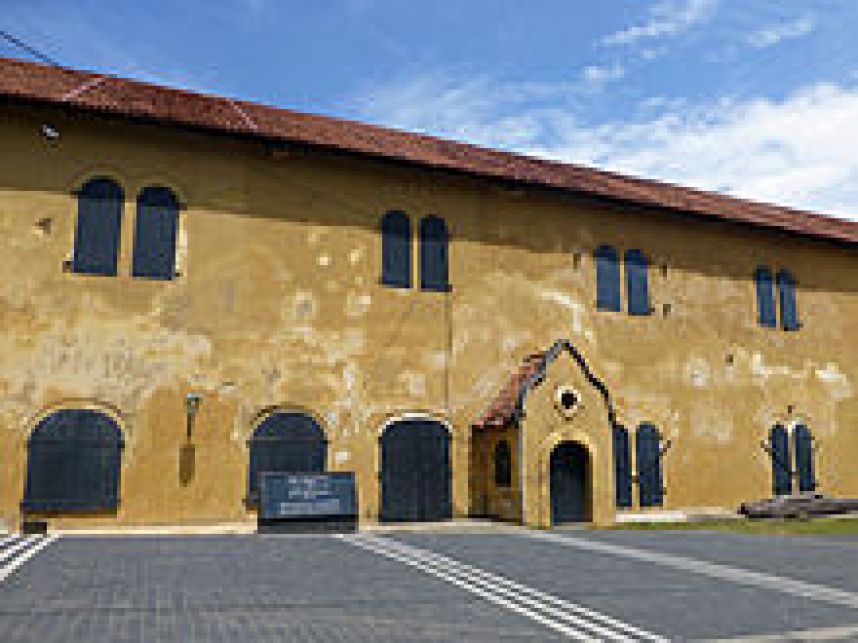

The government decided to use the warehouses to build a National Maritime Museum on May 9, 1992. The buildings, which were just hanging on, were restored to their prior condition. The museum's primary concentration at the time was on marine life exhibits. There were scale models of fish, whales, dolphins, and porpoises as well as stuffed animals, fossils, shells, and bones. Additionally, the museum featured displays about maritime trade, fishing, and artifacts found in the 20 or so shipwrecks in the area of Galle. A "walk along the sea floor" exhibit with natural coral beds, seaweed, and deep-sea fish was among the other exhibits, as were life-size dioramas depicting Sri Lankan fishing techniques, an exhibit on the causes of sea pollution and coastline erosion, and solutions to these issues. On December 26, 2004, a tsunami that was caused by an underwater earthquake off the Sumatran coast of Indonesia severely damaged Sri Lanka. One of the regions that was most severely impacted was Galle. Due to the weight of the tsunami, the northern entrance gate of the Galle Fort collapsed, flooding the interior structures with water. At the National Maritime Museum, the water level reached to a height of nearly 2 meters, causing damage to every specimen and exhibit. Only 20% of the estimated 3600 displays were salvageable, and many exhibits were carried back into the sea by the seas.